
Reasons to Have a Business Website

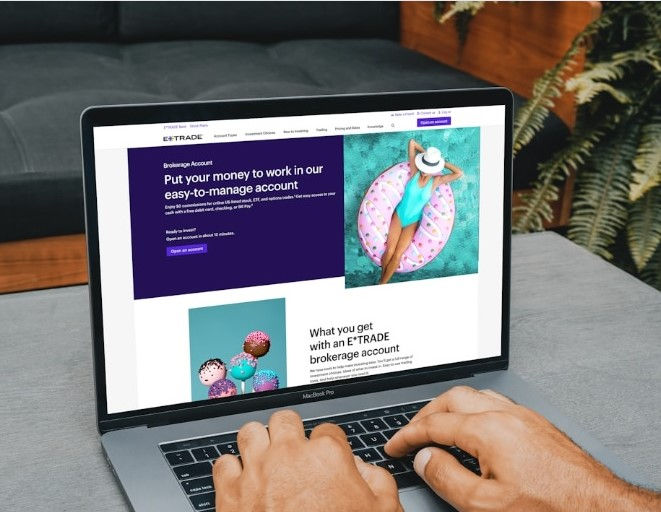
I still encounter potential clients and small business owners who don’t have a business website. Standard arguments against having one include: it's too expensive; don’t need one – we have a strong social media presence; and my time is better spent running the business and not designing and maintaining a website. While a small percentage of companies experience organic growth through word of mouth, most do not. As an affordable marketing tool, small businesses need an online presence, whether you’re selling products, offering services, or sharing information by hosting webinars.
Increases Your Visibility
In today’s competitive market, phone books are out; the Internet is in. Potential customers search online for what they want, anything from information about a certain company to available products and services. Small businesses without a web presence are missing out on attracting potential customers in their local area.
Legitimize Your Business
Potential clients want to know as much as they can about the company they will be buying products and services from. Websites can give customers all the information they need to make informed decisions. In addition to attracting an audience, a user-friendly website establishes credibility, builds trust, and showcases your expertise.
Demonstrate to Your Competition You Mean Business
In interviews with prospective clients, I find many business owners don’t know who their local, regional and/or global competitors are. An online presence allows you to target not only new customers, but your competition as well. It also let’s your competitors know you mean business. Without a website, your absence gives prospective clients permission to do business with your competitors. It also gives you the opportunity to convince visitors what is unique about your brand and why they should do business with you.
Lead Generation Strategies
A well-designed website translates online searchers into customers, and keeps your current client base informed of product launches, promotions, and upcoming events. Use a combination of primary and secondary webpages to convert visitors into repeat customers. To set up your website for lead generation, focus on the following pages.
Homepage
The first thing a potential client sees is your homepage. It’s like the display window of a retail store. The design should be eye-catching and attention retaining, but not busy or “shouting.” Information should be up-to-date. Content should be current, error-free, and well-written. Any links on the page should work and be relevant to your business.
A homepage should also include a call to action – subscribe to our newsletter; download our free guide; get __% off until June 10; get a free quote.
About page
The About page is an important component of a lead generation strategy in building trust and changing your client base into a community. Tell potential customers who you are, what you do, and how long you’ve been in business. Another way to build trust is to include a mission statement, demonstrating your core purpose and how you will treat your customers.
Portfolio
Create an online portfolio to showcase projects and products that have been successful. Let potential clients know who you have done business with recently. Often, the temptation is to display every project you’ve worked on, but limit the items in your portfolio to a select few. Update it regularly.
Save Time
A small business typically receives calls from clients and potential clients asking questions like what is your street address, hours of operation, pricing, shipping costs, and return policies. If you miss a call and don’t get a chance to call them back, a person might get the impression your company is disorganized, doesn’t care about its customers, or is understaffed. A well-designed website allows visitors to find useful information easily, reducing the need for the to call, freeing up your time to concentrate on other aspects of your business.
Save Money
One of the main objections to having a website is the cost. It might not be as expensive as you anticipate. Ways to create a budget-friendly small business website include:
Keep the design simple but visually attractive and interesting
Choose a low-cost website builder
Some website builders don’t include hosting fees – you have to purchase server space from a 3rd party; depending on the website platform, it can often be less expensive than an all-in-one package
Register your domain name – select a name that’s memorable and easy to pronounce; costs to register vary, so check for the best pricing
Optimize for SEO and speed
Without a strong online presence or e-commerce capabilities, your business might miss out on steady organic growth, resulting in lost revenue.


Comments